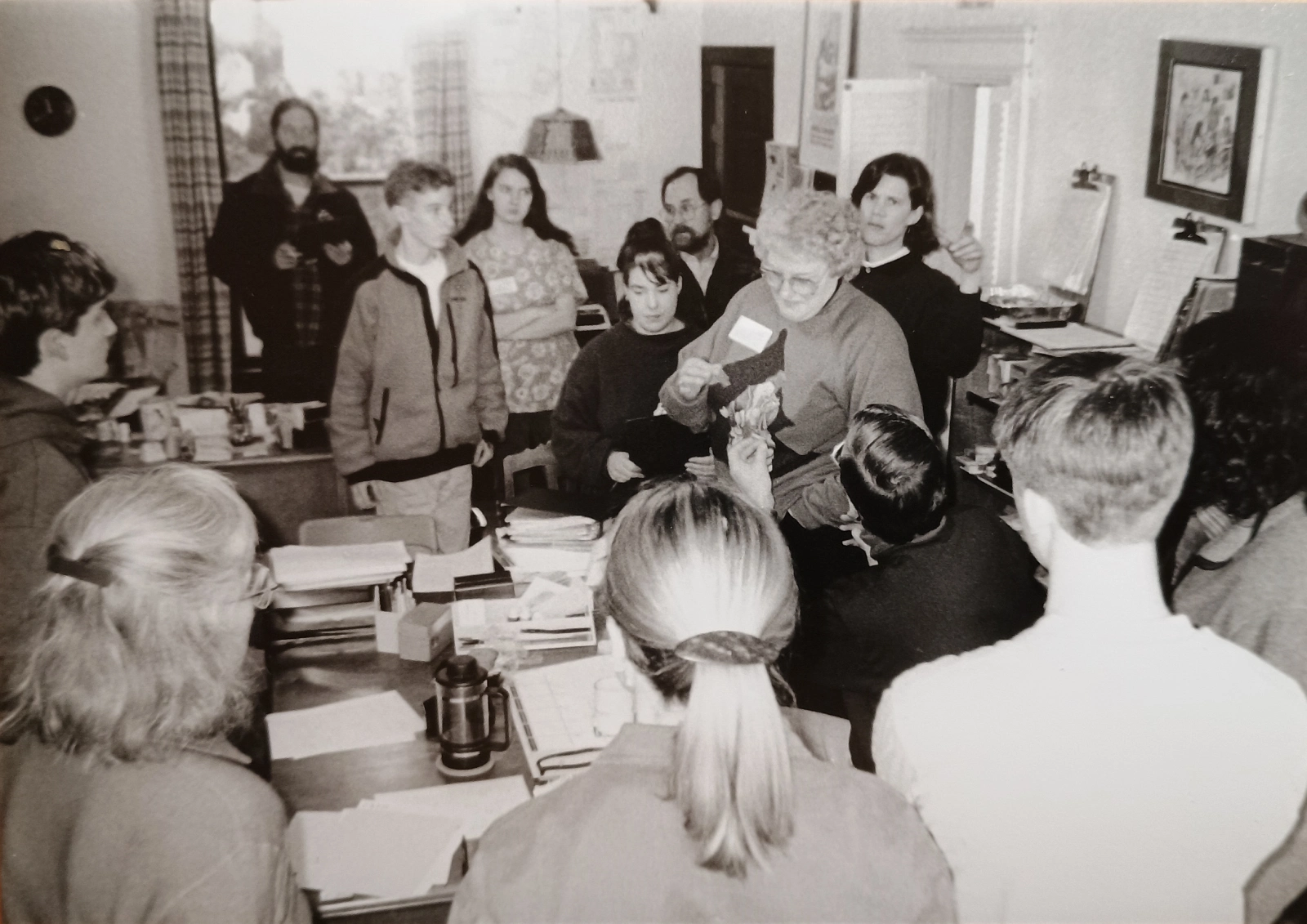
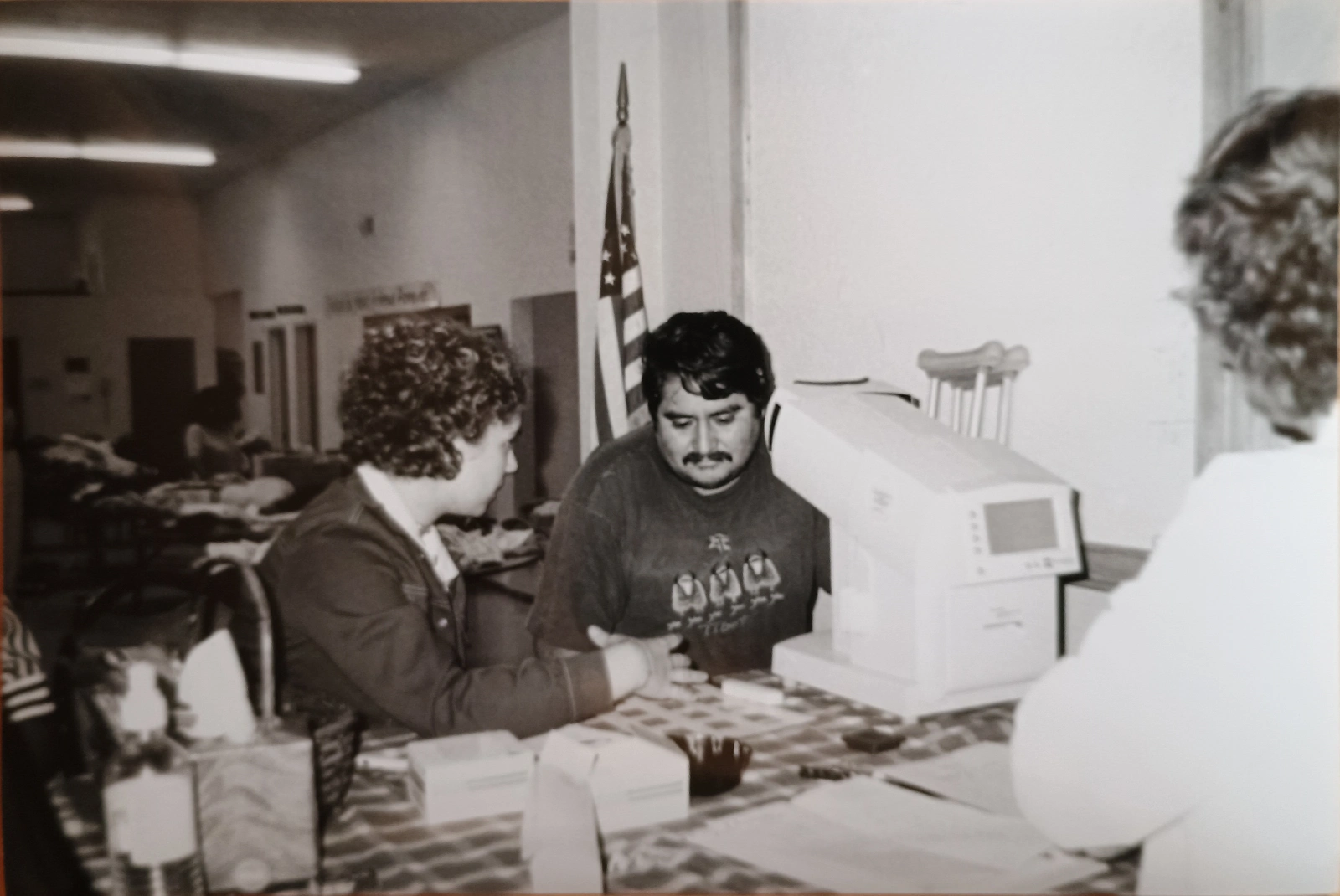
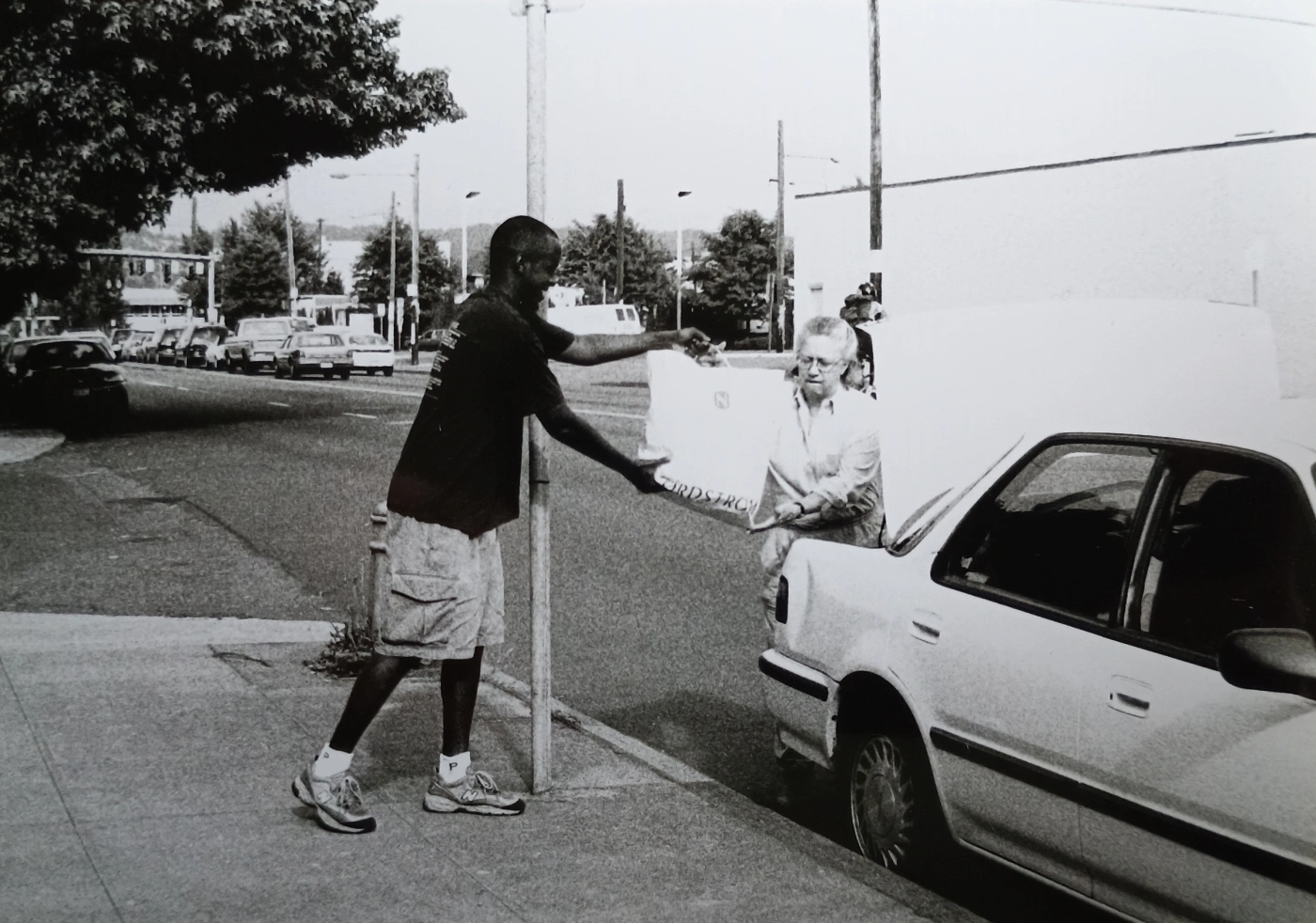
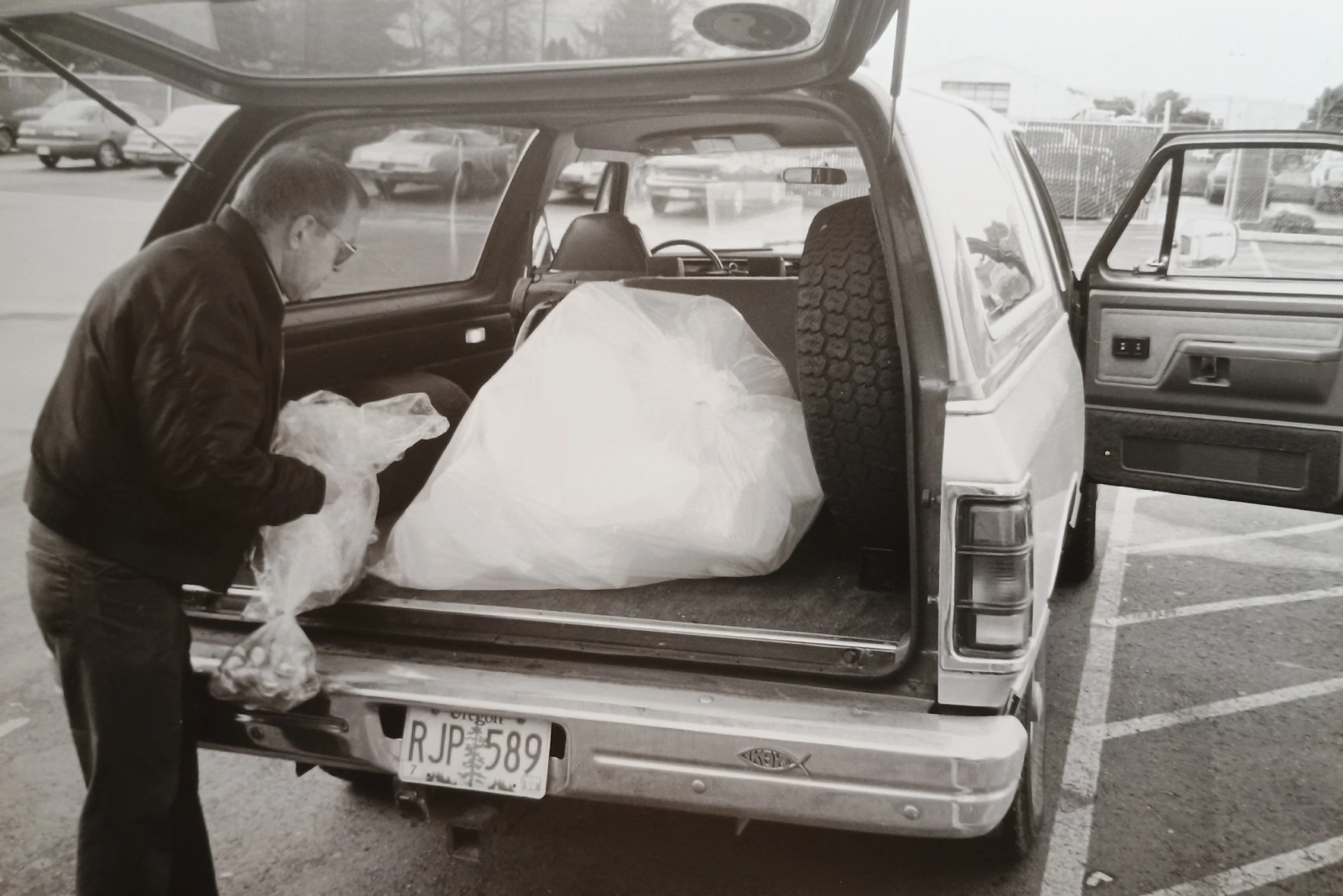
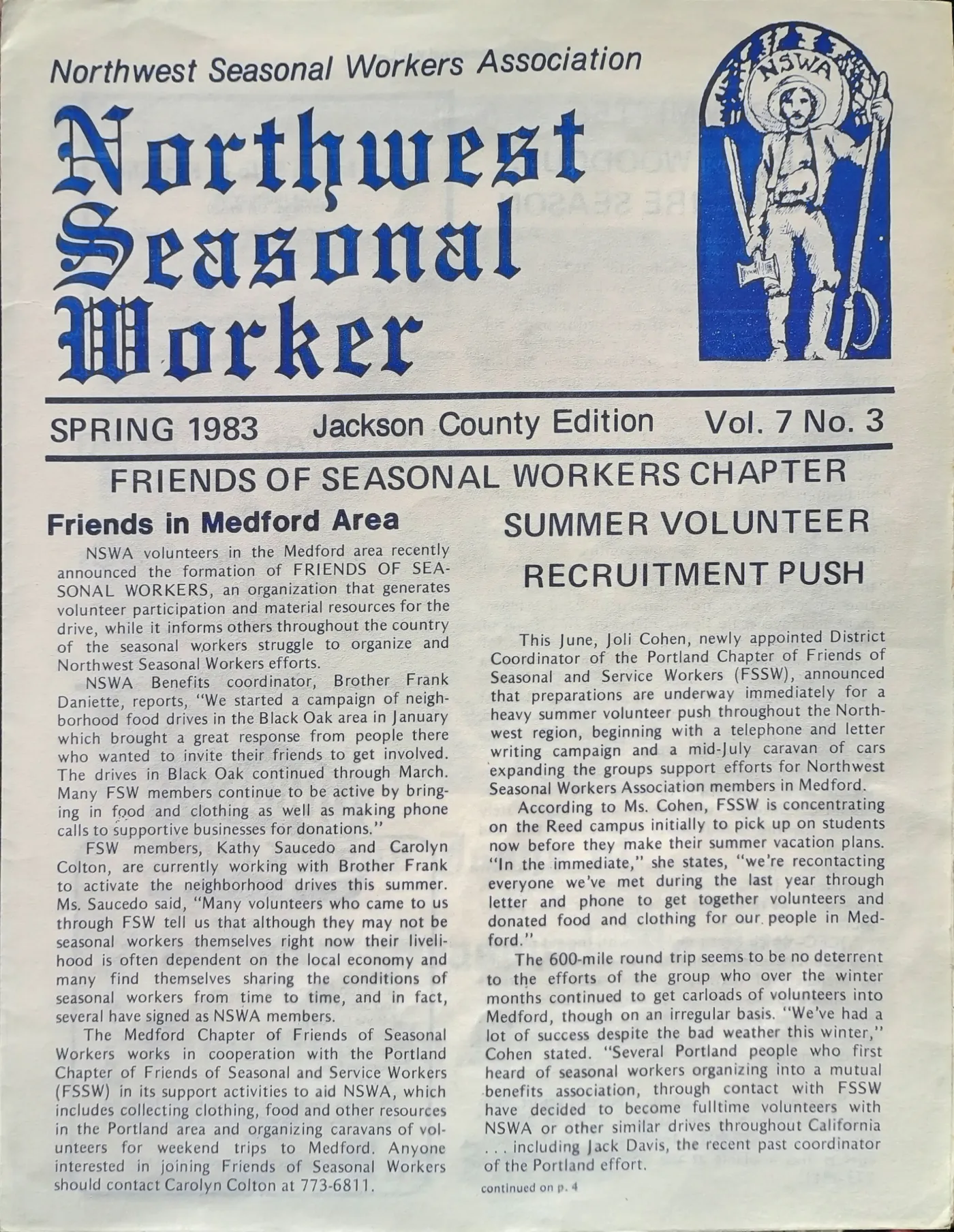
FSSW was founded in 1982 by students, activists, clergy and stay-at-home parents concerned about the devastating impacts of the timber mill closures in the 1980s and its effects on low-income workers in Southern Oregon. Beginning informally, a group of Portland residents began running collections of desperately-needed food items and supplies to deliver to Northwest Seasonal Workers Association (NSWA) in Medford, Oregon.
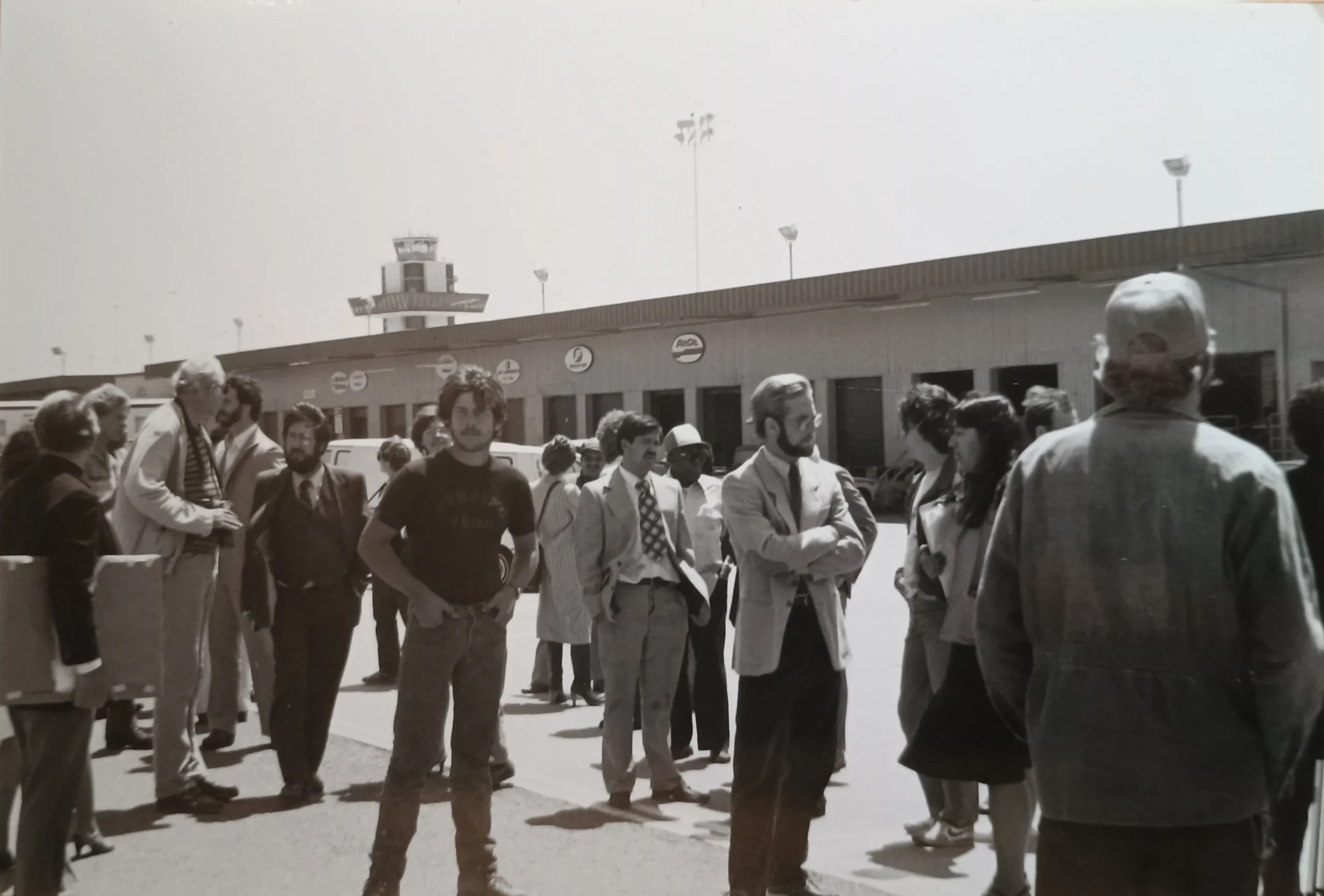
In April of 1982, 17 Reed College students and local residents involved in the support work went on a caravan to NSWA for spring break, not only delivering the material aid they had collected, but spending a week lending hands-on support in whatever way NSWA most needed their participation.
Caravaners spoke directly to NSWA members working as migrant and seasonal laborers, learning that their wages fell far below what is required to sustain even the lowest level of human subsistence. They saw that seasonal workers frequently lived in crowded migrant camps and apartments, with inadequate heating, insufficient food and no access to preventive medical care, leaving many low-paid workers suffering from malnutrition and untreated injuries and illnesses.
The Portland-area residents refused to stand back in the face of such economic and political injustices and, thereby, declared themselves Friends of Seasonal and Service Workers, dedicating their efforts to providing material aid to all organizations that truly fight and endeavor in the interests of seasonal and service workers.
Below are a few landmarks in FSSW’s four decades of history in Portland. To get the whole story – and to create new history – come down to FSSW’s office and participate in the effort to build real solutions for our region’s lowest-paid workers!
Selected milestones
Built by volunteers. Here until poverty isn't.
These are just a few of FSSW’s landmark historic events. For more, come in a participate in writing the next chapter!
first year
FSSW founded
In the spring of 1982, FSSW founder Jim Rosenberg led a team of 16 other volunteers – the majority being students from Reed College – on the first FSSW caravan to Northwest Seasonal Workers Association (NSWA) in Southern Oregon. Upon their return, they founded FSSW as a support effort for organizations of low-paid workers fighting to change their own poverty conditions.
1982
1985
Fill the Plane for Philly
Assistance for Philadelphia low-income communities after MOVE bombing
On May 13, 1985, an unprecedented event in U.S. history occurred in Philadelphia when government authorities authorized an air attack and bombing raid on the headquarters of the organization MOVE in the Cobbs Creek section of West Philadelphia. The bombing and firestorm resulted in 11 deaths and destroyed properties in the Cobbs Creek neighborhood, leaving 1,026 homeowners, renters, boarders and tenants without homes to live in. FSSW responded by sending volunteers to help with airlifts in California’s San Francisco Bay Area and by recruiting donations of food, clothing, blankets and hygiene items. This was the first major disaster relief effort in which FSSW participated.
National support
FSSW begins coordinating the production of National Labor Federation calendar
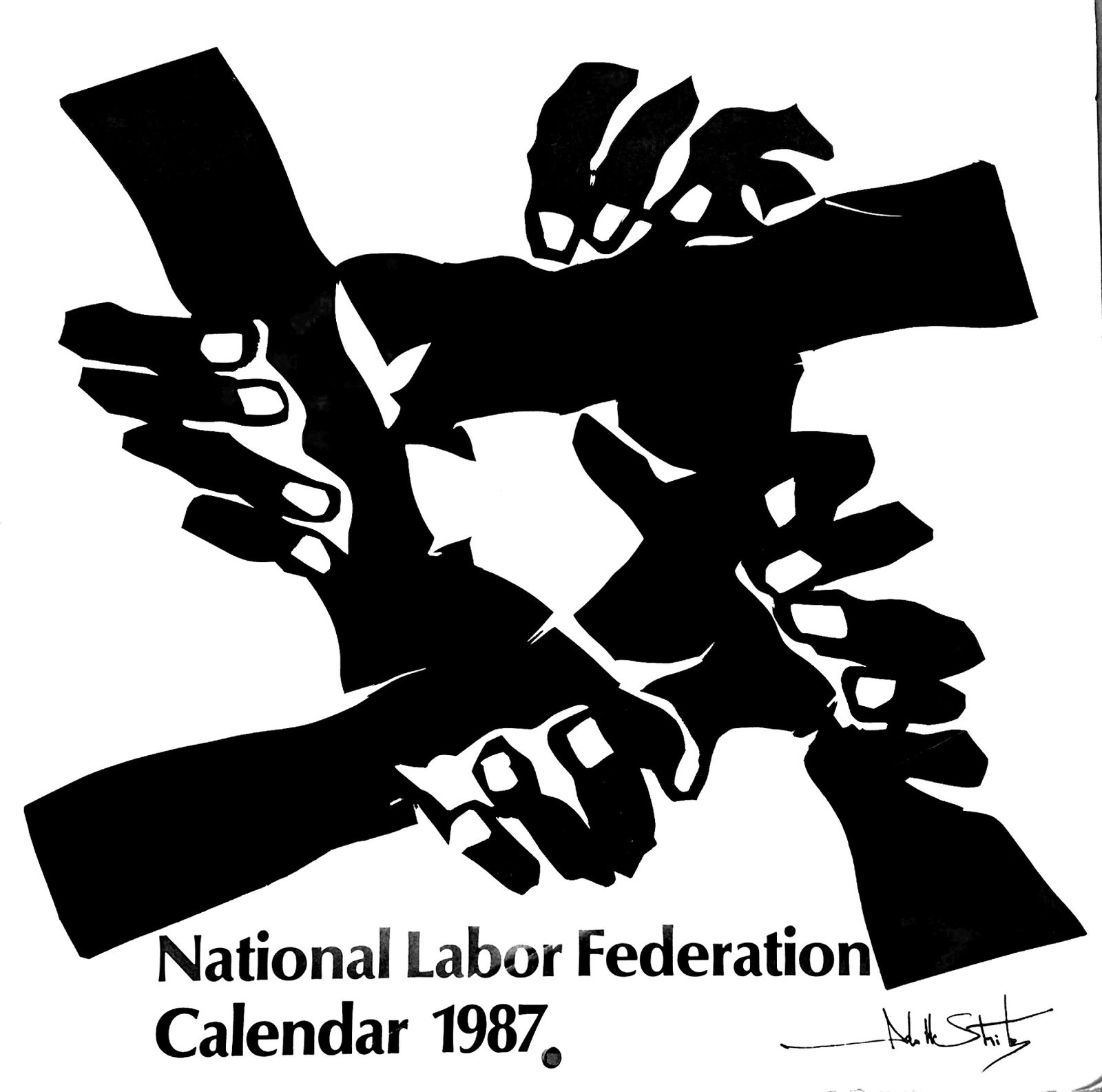
In 1986, at the request of a committee representing the National Labor Federation, FSSW began coordinating the procurement of donated paper, printing, shipping, storage, boxes, binding and ink for the production of their award winning calendar project. The organizations that use the calendar are run by and for farm, seasonal and service workers. The calendar describes their organizing efforts nationwide to address the social and economic ills their members face and is the collective product of all of their efforts. FSSW and the dozens of businesses who contribute to this project are proud to be part of this nationally recognized project.
1986
1988
farm worker justice
FSSW aids Willamette Valley farm workers to launch Western Farm Workers Association
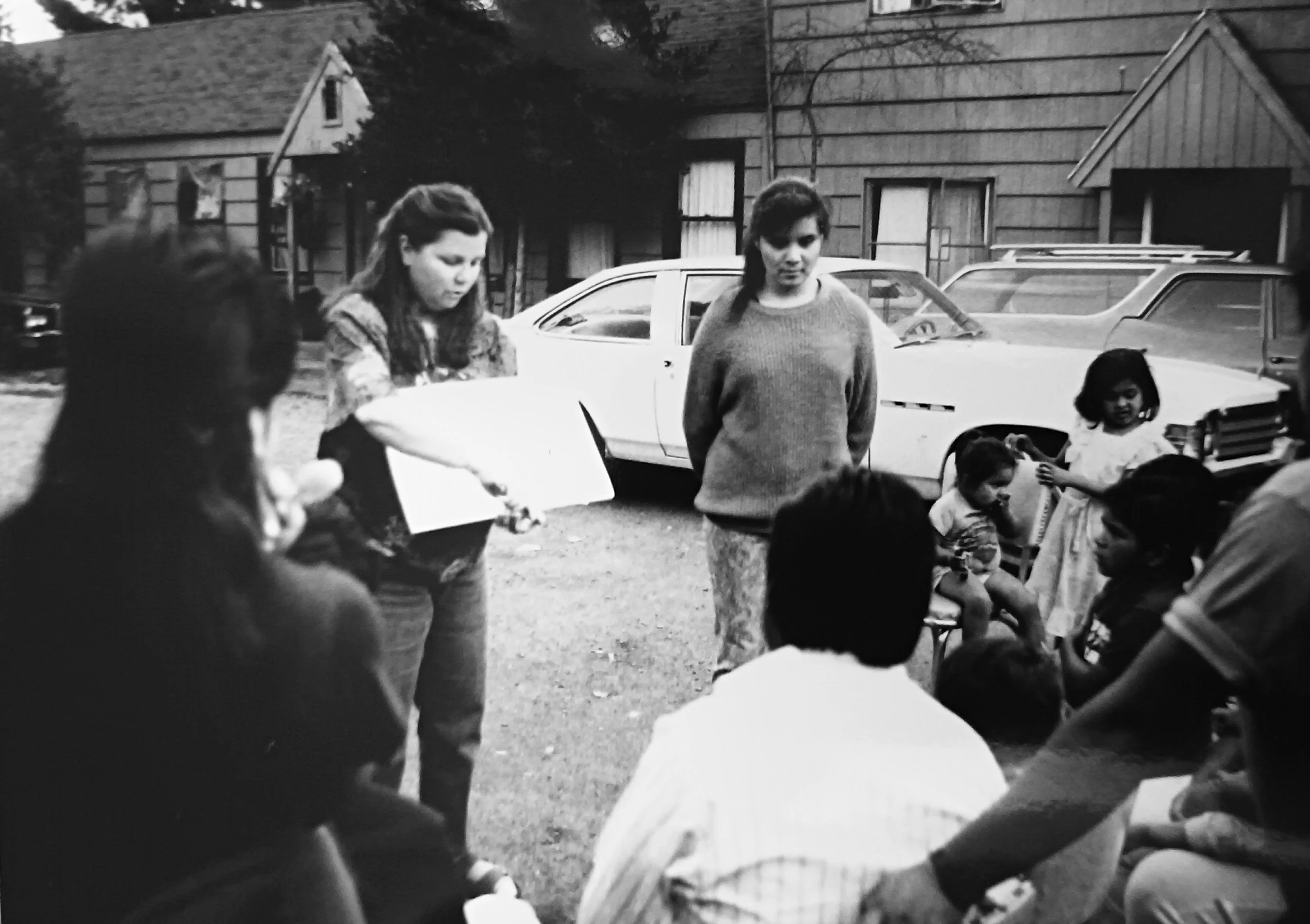
In the wake of the labor crisis caused by the implementation of the federal Immigration Reform and Control Act of 1986 (IRCA) which disrupted employment for thousands of workers, FSSW helped establish Western Farm Workers Association (WFWA) in Washington County. For the first 12 years, WFWA maintained a part-time office at FSSW as well as a part-time office in Hillsboro. FSSW volunteers were critical to initial organizing work of WFWA.
new Office
FSSW relocates to its first storefront office
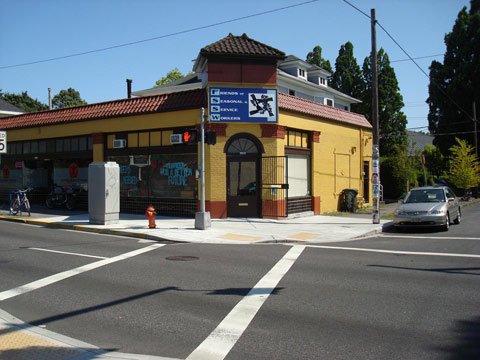
After having operated in donated space and in private homes for 17 years, FSSW relocated its base of operations to a storefront office at 1400 East Burnside Street, expanding its reach and impact.
1999
2000
entering new frontiers
FSSW supports founding of Alaska Workers Association in Anchorage
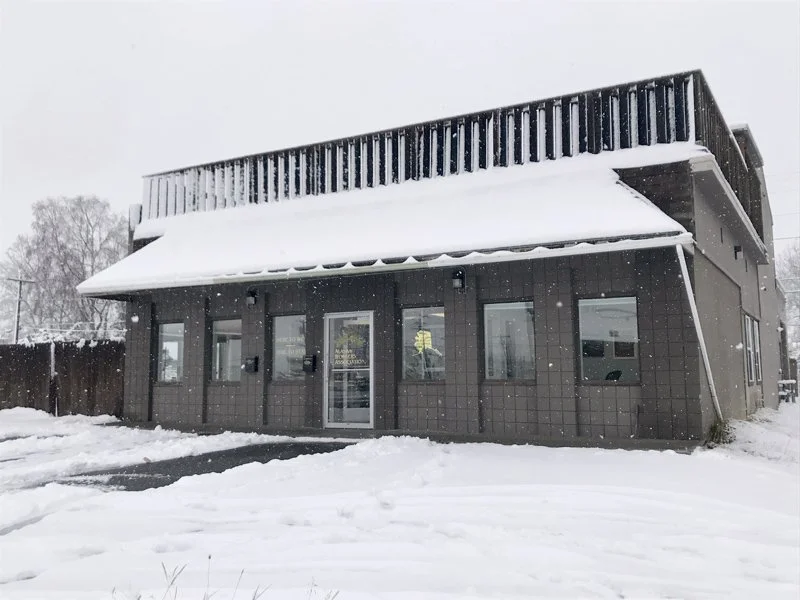
FSSW’s then-Operations Manager Barbara Sarantitis moved to Anchorage, Alaska and built Alaska Workers Association (AWA) with the training she had gained at FSSW, uniting Alaska’s fish processors, service workers, tourism workers and other low-paid workers to demand improved conditions and control of living and working conditions.
Historic Move
FSSW moves into a permanent office
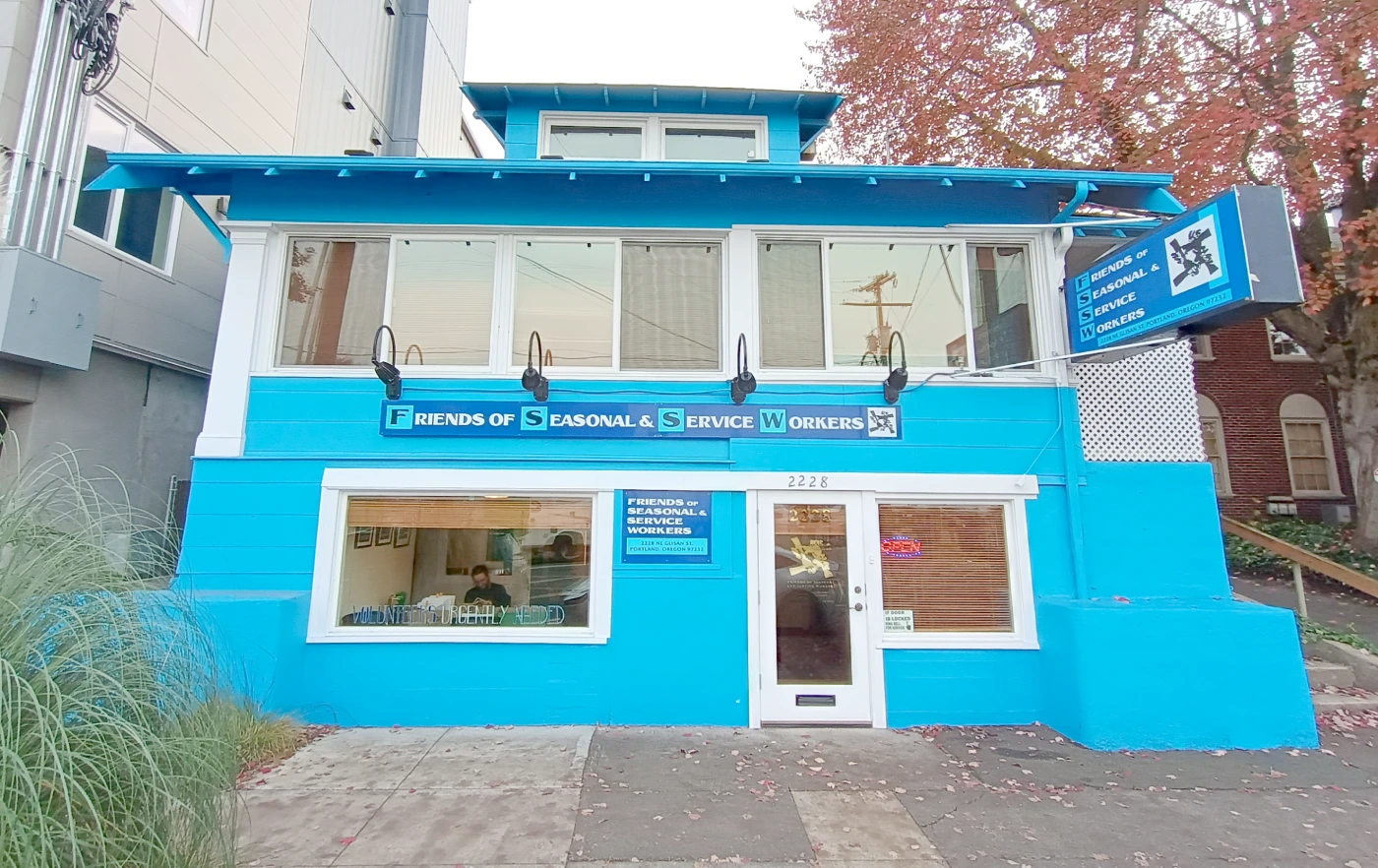
With the culmination of support gained over 30 years of organizing in Portland, FSSW moved into its permanent office at 2228 NE Glisan Street.
2013
2020
Disaster Relief
FSSW responds to Labor Day Fires
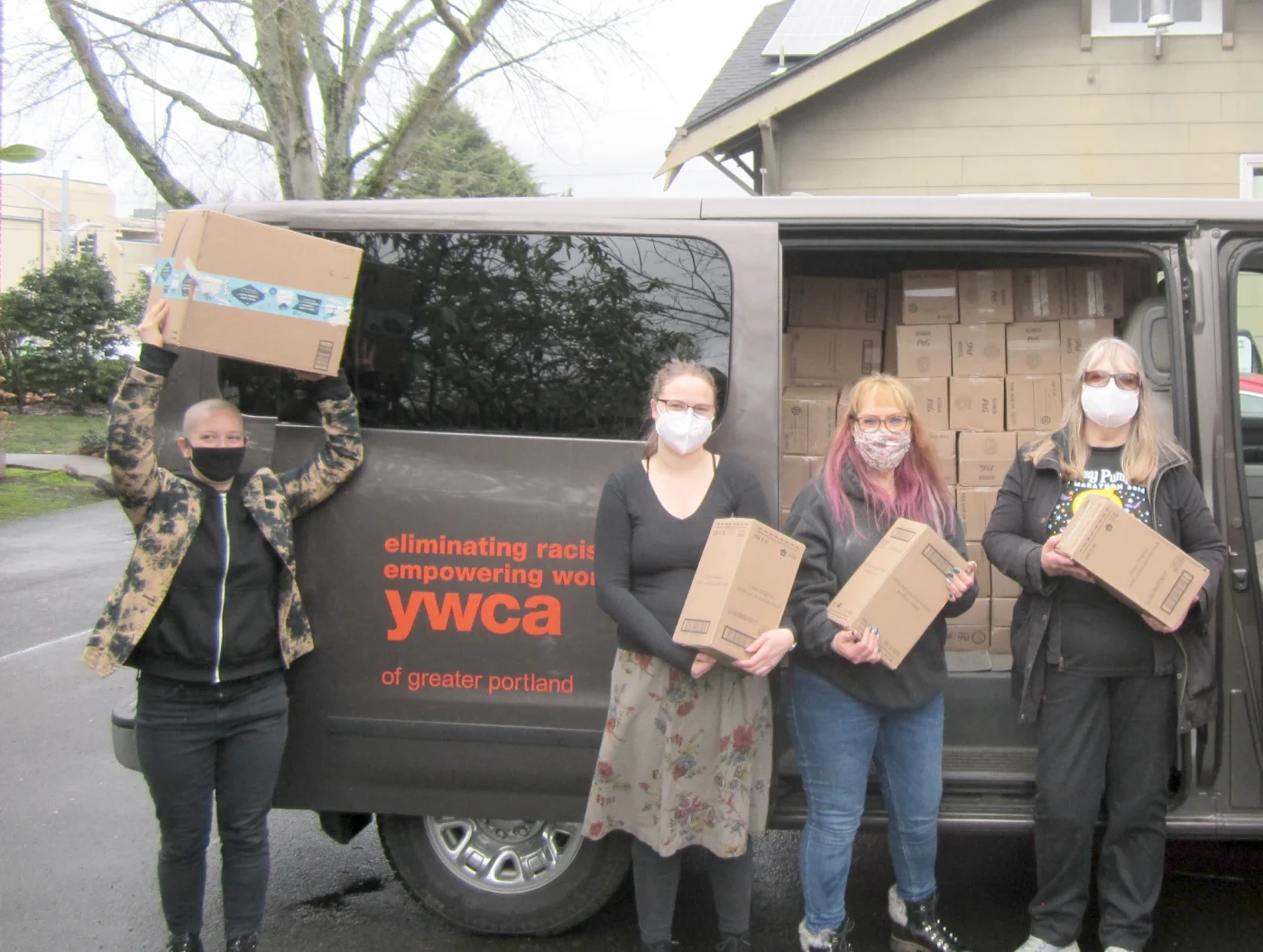
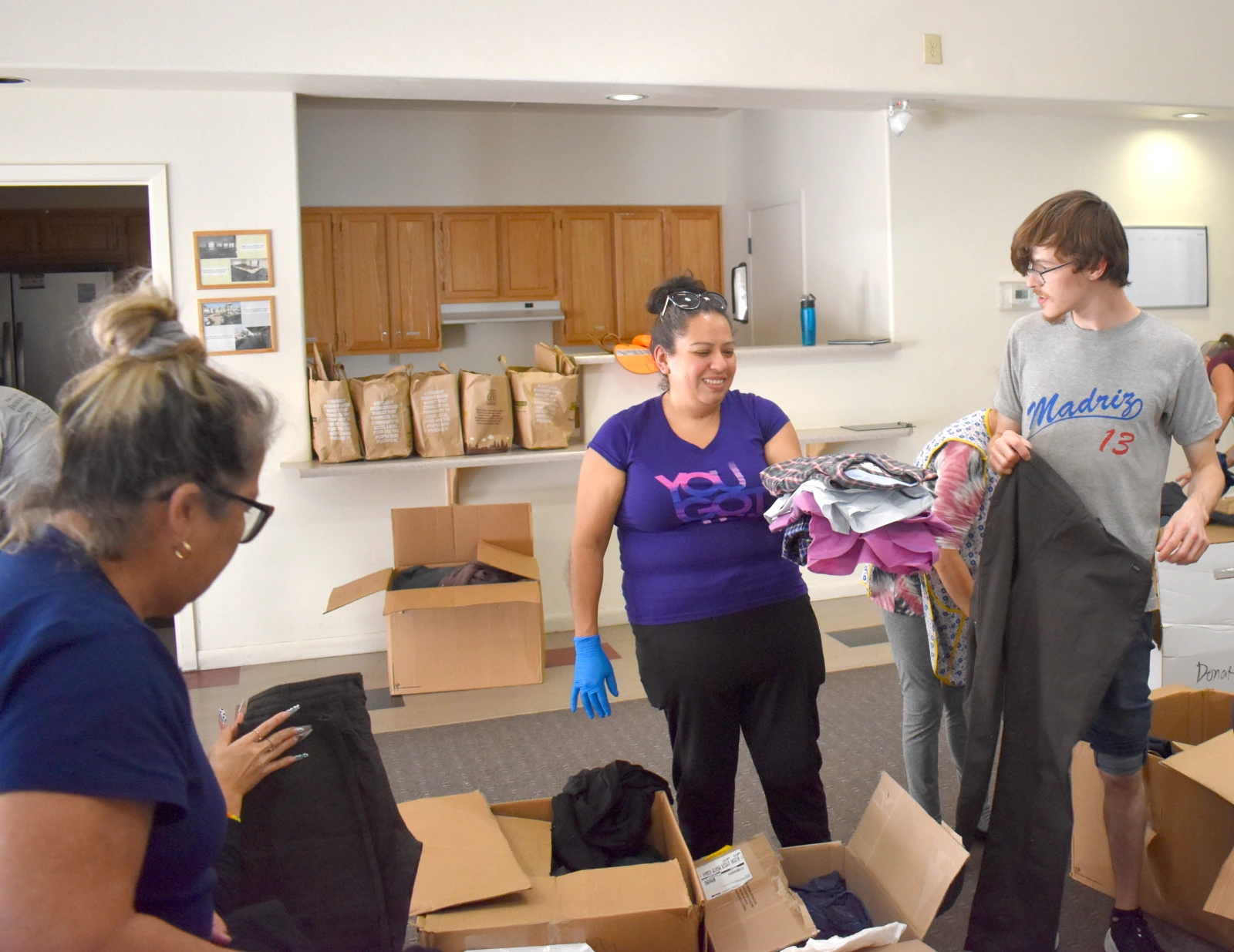
In response to requests from Northwest Seasonal Workers Association (NSWA), FSSW mobilized truckloads of disaster relief supplies and sent volunteers on caravans to Medford to assist with distributions to Almeda Fire survivors. With FSSW’s assistance, NSWA filled more than 3,000 disaster related requests.
Expanding support
Caravans & day trips expand in response to flood of requests for assistance
As economic and political conditions continue to worsen, the organizations FSSW supports have sent a cascade of requests for trained FSSW volunteers to join them for a day, a week or a month, finding their assistance invaluable to meeting some of the material needs of their memberships of low-income workers while building a stronger, fighting, organized force to challenge the policies at the root of the problem.